


Animal Sensory Pop-Tube Set
Animal Sensory Pop-Tube Set
SKU: SKU : 2251685 Vendor : BATTAT
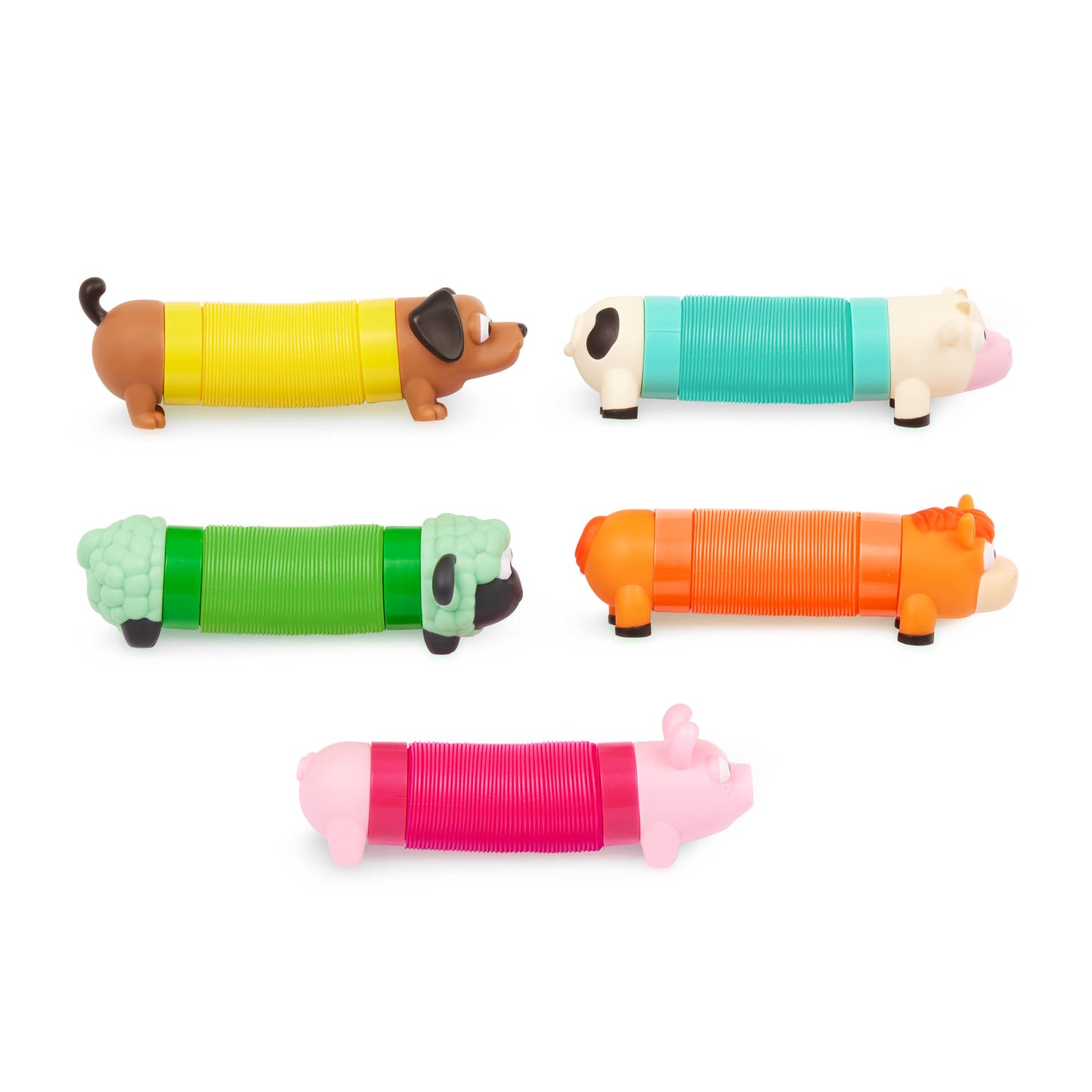
Animal pop-tubes are interactive sensory toys that engage touch and manipulation. Their colorful, stretchy tubes provide satisfying tactile play—pulling, twisting, and stretching—while supporting fine motor skills and hand-eye coordination. Th ... Show more
* As a verified institutional member, you benefit from special prices.
Log in to see the prices reserved for institutional members.
In stock - Limited quantities
Couldn't load pickup availability



Fine Motor Skills

Creativity
Animal pop-tubes are interactive sensory toys that engage touch and manipulation. Their colorful, stretchy tubes provide satisfying tactile play—pulling, twisting, and stretching—while supporting fine motor skills and hand-eye coordination. These farm animals offer a fun, hands-on sensory experience at home or on the go.
Âge : 2+


